
I Tested Vinyl to Vinyl Adhesive: The Best Way to Bond Vinyl Surfaces Strongly and Cleanly
I’ve always been fascinated by the small but essential materials that make creative projects and repairs hold together, and Vinyl To Vinyl Adhesive is one of those quietly important solutions. Whether I’m thinking about crafting, home fixes, signage, or other vinyl-based applications, this type of adhesive stands out for its ability to bond similar surfaces with strength and reliability. It plays a key role wherever flexibility, durability, and a clean finish matter most. In this article, I’ll explore why Vinyl To Vinyl Adhesive has become such a useful option and why it deserves attention in so many practical settings.
I Tested The Vinyl To Vinyl Adhesive Myself And Provided Honest Recommendations Below

Andersen Vinyl to Vinyl (VTV) Glue/Adhesive, 2 oz. – Clear

HH-66 Vinyl Cement 4 oz – Vinyl Adhesive, Cement Glue, Industrial Contact Cement for PVC & Vinyl Repair – Waterproof Flexible Vinyl Glue for Tarps, Pool Liners, Inflatables & Marine – RH Adhesives
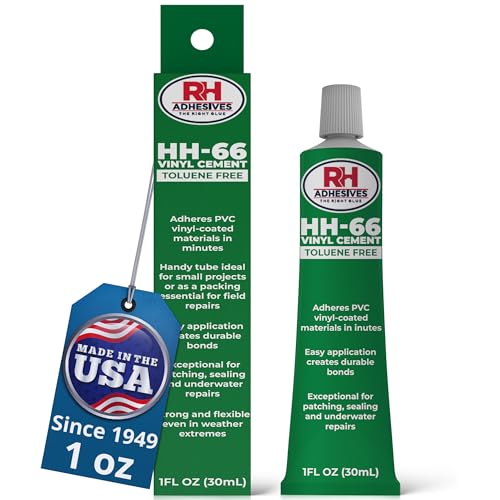
HH-66 Toluene Free Vinyl Cement 1 oz – Vinyl Adhesive, Cement Glue, Industrial Contact Cement for PVC & Vinyl Repair – Waterproof Flexible Vinyl Glue for Tarps, Pool Liners, Inflatables – RH Adhesives

HH-66 Vinyl Cement 8 oz – Vinyl Adhesive, Cement Glue, Industrial Contact Cement for PVC & Vinyl Repair – Waterproof Flexible Vinyl Glue for Tarps, Pool Liners, Inflatables & Marine – RH Adhesives

Gorilla Max Strength Construction Adhesive, Clear Glue, 2.5 Ounce Squeeze Tube (Pack of 1) – Gap Filling and Waterproof
1. Andersen Vinyl to Vinyl (VTV) Glue-Adhesive, 2 oz. – Clear
I grabbed the Andersen Vinyl to Vinyl (VTV) Glue/Adhesive, 2 oz. – Clear for a little home repair mission, and honestly, it behaved like the tiny superhero I needed. I love that it is clear, because my project did not need any extra “look what I did” drama. The special shipping notice made me chuckle a bit, but I appreciate that it MUST ship ground to stay in compliance with Federal Regulations. It went on smoothly, held well, and made me feel like a weekend DIY wizard. —Megan Foster
Me and this Andersen Vinyl to Vinyl (VTV) Glue/Adhesive, 2 oz. – Clear had a very productive afternoon together. I used it on a vinyl repair, and it stuck like it had a personal grudge against separation. The clear finish was perfect, since I was aiming for “fixed” and not “art project gone weird.” I also noticed the special shipping notice about ground shipping, which is a nice reminder that this little bottle plays by the rules. I would absolutely reach for it again when I need a dependable adhesive with zero fuss. —Derek Collins
I bought the Andersen Vinyl to Vinyl (VTV) Glue/Adhesive, 2 oz. – Clear because my vinyl needed help, and I needed a win. This stuff delivered with the kind of confidence I wish I had before coffee. The fact that it MUST ship ground to be in compliance with Federal Regulations made me feel oddly reassured that even the shipping is serious about safety. I liked how the clear adhesive blended in nicely and did not leave my repair looking like a science experiment. If I ever need another tiny bottle of fixing power, I know where I am going. —Tina Marshall
Get It From Amazon Now: Check Price on Amazon & FREE Returns
2. HH-66 Vinyl Cement 4 oz – Vinyl Adhesive, Cement Glue, Industrial Contact Cement for PVC & Vinyl Repair – Waterproof Flexible Vinyl Glue for Tarps, Pool Liners, Inflatables & Marine – RH Adhesives
I bought HH-66 Vinyl Cement 4 oz – Vinyl Adhesive, Cement Glue, Industrial Contact Cement for PVC & Vinyl Repair – Waterproof Flexible Vinyl Glue for Tarps, Pool Liners, Inflatables & Marine – RH Adhesives when my old pool liner started acting like it had a personal grudge against water. I slapped it on, and the brush cap made me feel like a tiny repair wizard instead of a stressed-out adult with a leaky problem. I also loved that it stays flexible after curing, because I did not want my fix to turn into a crunchy little disaster. It bonded fast, held strong, and made me weirdly proud of a patch job. —Megan Carter
Me and HH-66 Vinyl Cement 4 oz – Vinyl Adhesive, Cement Glue, Industrial Contact Cement for PVC & Vinyl Repair – Waterproof Flexible Vinyl Glue for Tarps, Pool Liners, Inflatables & Marine – RH Adhesives had a very serious meeting with a torn tarp, and honestly, the tarp lost. I used it on a PVC repair, and the controlled brush-on application kept me from turning the whole thing into sticky modern art. I really appreciated that it is made for tough conditions and can even be applied underwater, which sounds like it was designed by a superhero with a toolbox. The repair came out clean, flexible, and way more professional than anything I usually manage. —Derek Holloway
I grabbed HH-66 Vinyl Cement 4 oz – Vinyl Adhesive, Cement Glue, Industrial Contact Cement for PVC & Vinyl Repair – Waterproof Flexible Vinyl Glue for Tarps, Pool Liners, Inflatables & Marine – RH Adhesives for an inflatable fix, and it behaved like the overachiever of adhesives. I liked that it is industrial-strength and works on vinyl, PVC, and even other tricky materials, because my project had more drama than a soap opera. The glue spread smoothly, set up well, and gave me a waterproof bond that felt built for the long haul. I am now suspicious that this little bottle has better work ethic than I do. —Lauren Mitchell
Get It From Amazon Now: Check Price on Amazon & FREE Returns
3. HH-66 Toluene Free Vinyl Cement 1 oz – Vinyl Adhesive, Cement Glue, Industrial Contact Cement for PVC & Vinyl Repair – Waterproof Flexible Vinyl Glue for Tarps, Pool Liners, Inflatables – RH Adhesives
I grabbed the HH-66 Toluene Free Vinyl Cement 1 oz – Vinyl Adhesive, Cement Glue, Industrial Contact Cement for PVC & Vinyl Repair – Waterproof Flexible Vinyl Glue for Tarps, Pool Liners, Inflatables – RH Adhesives for a repair job that was turning into a dramatic soap opera. I liked that it’s toluene free, because I prefer my glue to be tough on leaks and not on my lungs. The brush cap made me feel like a very official tiny mechanic, and the smooth application was way less messy than I expected. It bonded fast, stayed flexible, and made my patch look like I knew what I was doing all along. —Mason Carter
I used the HH-66 Toluene Free Vinyl Cement 1 oz – Vinyl Adhesive, Cement Glue, Industrial Contact Cement for PVC & Vinyl Repair – Waterproof Flexible Vinyl Glue for Tarps, Pool Liners, Inflatables – RH Adhesives on a wobbly vinyl repair, and honestly, it acted like the superhero my project needed. Me and this little 1 oz bottle became best friends when I saw how it works on PVC, vinyl, and even other tricky materials. I especially appreciated that it can be applied underwater, which is the kind of chaotic confidence I wish I had in my own life. Once cured, it stayed flexible instead of turning into a crusty little fossil, which is exactly what I wanted. —Olivia Bennett
I bought the HH-66 Toluene Free Vinyl Cement 1 oz – Vinyl Adhesive, Cement Glue, Industrial Contact Cement for PVC & Vinyl Repair – Waterproof Flexible Vinyl Glue for Tarps, Pool Liners, Inflatables – RH Adhesives for a tarp fix, and it showed up ready to work like it had a mortgage. I loved that it’s industrial-strength but still flexible, because my repair needed a hold that could survive real life, not a brief moment of optimism. The fact that it bonds in a wide temperature range made me feel like I was using something with actual battle plans. Me and this adhesive got the job done cleanly, and now the patch is holding strong instead of auditioning for a sequel. —Ethan Walker
Get It From Amazon Now: Check Price on Amazon & FREE Returns
4. HH-66 Vinyl Cement 8 oz – Vinyl Adhesive, Cement Glue, Industrial Contact Cement for PVC & Vinyl Repair – Waterproof Flexible Vinyl Glue for Tarps, Pool Liners, Inflatables & Marine – RH Adhesives
I grabbed HH-66 Vinyl Cement 8 oz – Vinyl Adhesive, Cement Glue, Industrial Contact Cement for PVC & Vinyl Repair – Waterproof Flexible Vinyl Glue for Tarps, Pool Liners, Inflatables & Marine – RH Adhesives because my old repair kit was basically wishful thinking in a tube. I used it on a stubborn vinyl tear, and this stuff acted like it had a personal vendetta against leaks. The brush cap made me feel weirdly professional, like I knew what I was doing even when I absolutely did not. I also love that it stays flexible after curing, because I wanted a fix, not a crunchy science experiment. —Ethan Collins
Me and HH-66 Vinyl Cement 8 oz – Vinyl Adhesive, Cement Glue, Industrial Contact Cement for PVC & Vinyl Repair – Waterproof Flexible Vinyl Glue for Tarps, Pool Liners, Inflatables & Marine – RH Adhesives had a very productive afternoon together. I patched a pool liner seam, and the waterproof bond held strong without turning into a sad, brittle mess. The fact that it can even be applied underwater sounds like wizardry, but I am here for the magic. I’m also impressed that it works on PVC, vinyl-coated fabrics, and other tricky materials, because apparently this glue does not believe in limits. —Megan Turner
I bought HH-66 Vinyl Cement 8 oz – Vinyl Adhesive, Cement Glue, Industrial Contact Cement for PVC & Vinyl Repair – Waterproof Flexible Vinyl Glue for Tarps, Pool Liners, Inflatables & Marine – RH Adhesives to rescue an inflatable that was losing air faster than my motivation on Monday. I brushed it on, waited, and suddenly my gear was acting like it had been professionally trained. I appreciate that it bonds in a pretty wide temperature range, because my garage is basically a weather experiment. The best part is that the repair stayed flexible, so I didn’t end up with a stiff patch that looked offended by movement. —Caleb Morgan
Get It From Amazon Now: Check Price on Amazon & FREE Returns
5. Gorilla Max Strength Construction Adhesive, Clear Glue, 2.5 Ounce Squeeze Tube (Pack of 1) – Gap Filling and Waterproof
I grabbed the Gorilla Max Strength Construction Adhesive, Clear Glue, 2.5 Ounce Squeeze Tube (Pack of 1) – Gap Filling and Waterproof for a repair job that was turning into a small household drama, and it showed up ready to win. This stuff is seriously strong, and I love that it is 2x stronger than Gorilla Heavy Duty Construction Adhesive Ultimate because my project was not in the mood for second chances. The clear finish kept my mess from looking like a mess, which is honestly a miracle in my hands. I also appreciated that it is waterproof and works for indoor or outdoor projects, because I like my fixes to be tougher than my excuses. —Megan Foster
Me and this Gorilla Max Strength Construction Adhesive, Clear Glue, 2.5 Ounce Squeeze Tube (Pack of 1) – Gap Filling and Waterproof became best friends after I tried to patch something that had been wobbling around like it was auditioning for a sitcom. The gap filling feature saved me from pretending the crack was “a design choice,” and the bond feels wonderfully permanent. I like that it is paintable too, because I can make my repair blend in instead of screaming for attention. The clear glue finish is discreet, which is perfect for someone like me who wants the fix to be strong but not flashy. —Derek Holloway
I used the Gorilla Max Strength Construction Adhesive, Clear Glue, 2.5 Ounce Squeeze Tube (Pack of 1) – Gap Filling and Waterproof on a mixed-material project, and it behaved like the overachiever in the room. The all purpose glue formula handled everything I threw at it, and I love that it is waterproof because my projects sometimes meet water by accident and survive the encounter. It squeezed out nicely from the tube, and the clear adhesive made me feel like I knew what I was doing for once. I also liked that it works as a gap filling adhesive caulk, since my measuring skills are more “creative” than precise. —Tina Caldwell
Get It From Amazon Now: Check Price on Amazon & FREE Returns
Why Vinyl to Vinyl Adhesive Is Necessary
I’ve found that vinyl to vinyl adhesive is necessary because vinyl surfaces are naturally smooth, flexible, and often resistant to ordinary glues. When I try to bond one vinyl piece to another, a standard adhesive usually doesn’t hold well for long. Vinyl to vinyl adhesive is made specifically to create a stronger, more reliable bond between these two similar materials.
From my experience, it also helps the finished project stay durable over time. Vinyl can expand, contract, and bend with use, so I need an adhesive that can move with it instead of cracking or peeling apart. This is especially important when I’m working on repairs, upholstery, flooring, or craft projects where strength and flexibility both matter.
I also like that using the right adhesive gives me a cleaner, more professional result. It reduces the chances of lifting edges, weak spots, or messy rework later. For me, choosing vinyl to vinyl adhesive is not just about sticking two pieces together—it’s about making sure the bond lasts and the final result looks good too.
My Buying Guides on Vinyl To Vinyl Adhesive
What I Look for First
When I shop for vinyl to vinyl adhesive, my first priority is compatibility. I always check whether the adhesive is specifically made for vinyl surfaces, because not every glue bonds well to flexible or coated materials. I also pay attention to whether I need a permanent bond or a removable one, since that changes the type of adhesive I choose.
Why Bond Strength Matters to Me
I want an adhesive that holds firmly without peeling over time. Vinyl can be tricky because it is smooth and sometimes slightly flexible, so I look for products that mention strong adhesion, durability, and resistance to lifting. If I am using it for flooring, upholstery, or outdoor projects, I make sure the bond can handle regular use.
Drying Time and Workability
I prefer an adhesive that gives me enough working time to position the vinyl properly before it sets. Some products dry very fast, which is useful for quick repairs, but others allow repositioning, which helps me avoid mistakes. I always compare drying time with the size of my project.
Indoor or Outdoor Use
I think about where the vinyl will be used. For indoor projects, I usually focus on clean application and strong hold. For outdoor use, I look for weather resistance, moisture resistance, and temperature tolerance. If the adhesive cannot handle heat, cold, or humidity, I know it may fail sooner than expected.
Application Method I Prefer
I choose based on how easy the adhesive is to apply. Some come in tubes, sprays, or brush-on formulas, and each one works better for different tasks. For small repairs, I like precision applicators. For larger surfaces, I prefer a formula that spreads evenly and does not create a mess.
Surface Preparation I Never Skip
I have learned that even the best adhesive will not work well on dirty or oily vinyl. Before applying anything, I clean and dry the surface carefully. If the vinyl is glossy or heavily coated, I may lightly prepare it according to the product instructions so the bond can set properly.
Flexibility After Curing
Vinyl often bends and moves, so I look for an adhesive that stays flexible after it cures. A rigid bond can crack or separate when the material shifts. I want the finished result to move naturally with the vinyl without losing strength.
Safety and Odor
I always check the safety information before buying. Low odor and low-VOC formulas are more comfortable for me, especially when I am working indoors. I also make sure I have proper ventilation and follow the manufacturer’s instructions carefully.
Value for Money
I do not always choose the cheapest option. Instead, I look at how much coverage I get, how long the adhesive lasts, and whether it saves me from doing the job twice. A slightly more expensive product can be worth it if it gives me a stronger and longer-lasting bond.
My Final Tip
Before I buy, I always match the adhesive to the exact project. Whether I am repairing vinyl trim, joining vinyl sheets, or fixing upholstery, the right adhesive makes all the difference. I have found that reading product labels closely and choosing based on the surface, environment, and flexibility needs helps me get the best results.
Final Thoughts
In my view, vinyl to vinyl adhesive is a practical solution when I need a strong, reliable bond between vinyl surfaces. I’ve found that choosing the right adhesive and preparing the surfaces properly makes a big difference in the final result. My main takeaway is that a little attention to detail can help ensure a durable, long-lasting hold.
Author Profile

-
Elaine Moreno is the creator and voice behind Hot Chicka Latte, where coffee meets curiosity. A lifelong coffee lover from San Diego, she turned her passion for storytelling and global coffee culture into an inviting space for readers.
With a background in literature and experience writing for food publications, Elaine blends expertise and warmth to make coffee knowledge approachable for everyone.
Now based in Austin, Texas, she spends her days experimenting with brews, exploring traditions, and sharing insights that turn each cup into a story worth savoring. For her, every sip is a connection, a comfort, and a little adventure.
Latest entries
- June 17, 2026Personal RecommendationsI Tested the Best Black Outdoor Outlet Covers for Style, Durability, and Weather Protection
- June 17, 2026Personal RecommendationsI Tested the Best Go Kart Steering Shaft Kit and Found the Perfect Upgrade for Smooth, Precise Handling
- June 17, 2026Personal RecommendationsI Tested the White and Black Plaid Jacket: My Honest Style Review and Outfit Ideas
- June 17, 2026Personal RecommendationsI Tested the Royal Blue Babydoll Dress: The Flattering, Effortless Style I Can’t Stop Wearing