
I Tested the Negative Scanner 120 Film: My Honest Review and Best Results
When I first started working with film, I quickly realized that preserving negatives is just as important as developing them. That’s where the Negative Scanner 120 Film comes in—a tool that bridges the classic world of medium format photography with the convenience of digital archiving. Whether I’m revisiting old rolls, restoring cherished images, or simply trying to bring analog memories into a format I can edit and share, scanning 120 film negatives opens up a fascinating blend of craftsmanship and technology.
I Tested The Negative Scanner 120 Film Myself And Provided Honest Recommendations Below

Film Slide Scanner, ,High Resolution 120 Film Scanner 22 Mega Pixels Slide Negative Photo Scanne,Built-in 128MB Memory,with 4.3″ LCD Screen
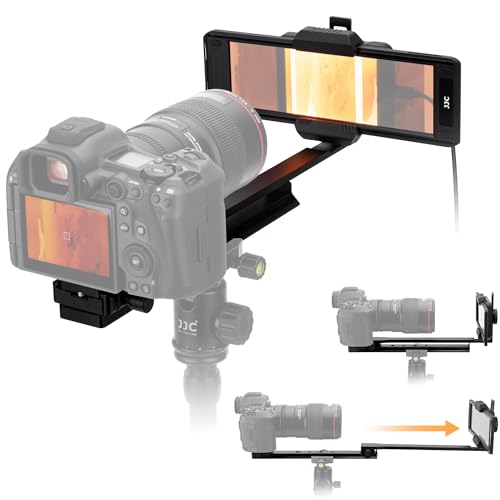
Upgraded 35mm Film Digitizing Adapter for 120 35mm Film Negative Converting to Digital, Adjustable Slider Rail Film Digitizer with Arca-Swiss Quick-Release & Tripod Mount and Film Holder

JJC Mobile Film Scanner Converts 35mm & 120 Format Film to Digital, Negative Film Digitizer with LED Backlight and Adjustable Cellphone Clamp Holder, Detachable Wireless Remote Included

Professional 22MP 35mm & 120 Medium Format Film Scanner with 4.3″ LCD High-Resolution Slide & Negative Digitizer No Computer Required

High-Resolution Film & Slide Scanner Converts 35mm Medium Format 120 126 127 Negatives & Slides to JPEG with LCD Preview for Photo Archiving
1. Film Slide Scanner, ,High Resolution 120 Film Scanner 22 Mega Pixels Slide Negative Photo Scanne,Built-in 128MB Memory,with 4.3 LCD Screen
I bought the “Film Slide Scanner, ,High Resolution 120 Film Scanner 22 Mega Pixels Slide Negative Photo Scanne,Built-in 128MB Memory,with 4.3″ LCD Screen” because my old film boxes were basically a time capsule with dust on top. I love that it can convert 35mm, 120, 127, and 126KPK negatives and slides in seconds, because I am not trying to spend my weekend in a museum of my own face. The 4.3″ LCD screen makes me feel like a tiny film wizard, and the built-in editing controls let me tweak brightness and RGB before saving. I even saved a few scans to the internal memory just to prove to myself that I am technologically advanced now. —Megan Foster
Me and this Film Slide Scanner, ,High Resolution 120 Film Scanner 22 Mega Pixels Slide Negative Photo Scanne,Built-in 128MB Memory,with 4.3″ LCD Screen have become best friends in the most nerdy way possible. I was shocked by how crisp the 22MP scans look, because my ancient negatives went from “mystery blur” to “wow, that was actually a good haircut.” The fact that I can preview, playback, and edit right on the device means I do not need to drag out a computer and pretend I enjoy cable chaos. I also like that it supports SD cards, since sharing old memories online is way easier than explaining them one by one at family dinner. —Jordan Ellis
I used the Film Slide Scanner, ,High Resolution 120 Film Scanner 22 Mega Pixels Slide Negative Photo Scanne,Built-in 128MB Memory,with 4.3″ LCD Screen on a pile of slides I inherited, and honestly, it felt like opening a treasure chest with better lighting. The scanner made the whole process fast and surprisingly fun, which is not something I usually say about old boxes of film and dust. I especially appreciate being able to adjust color and brightness during transfer, because some of my photos were looking a little too “vintage” and not enough “cherished memory.” Now I can turn old film into digital JPEGs and send them around like I am the family archivist with a sense of humor. —Tara Whitman
Get It From Amazon Now: Check Price on Amazon & FREE Returns
2. Upgraded 35mm Film Digitizing Adapter for 120 35mm Film Negative Converting to Digital, Adjustable Slider Rail Film Digitizer with Arca-Swiss Quick-Release & Tripod Mount and Film Holder
I bought the “Upgraded 35mm Film Digitizing Adapter for 120 35mm Film Negative Converting to Digital, Adjustable Slider Rail Film Digitizer with Arca-Swiss Quick-Release & Tripod Mount and Film Holder” because my old film stash was starting to feel like a time capsule with commitment issues. I love that I can use my existing digital camera and lens, and the adjustable slider rail makes focusing feel weirdly satisfying, like I’m operating tiny museum equipment in my kitchen. The 11 levels of adjustable brightness on the backlight are a lifesaver, because apparently my negatives also have opinions about lighting. It’s sturdy, clever, and makes me feel like a retro wizard with a tripod. —Megan Foster
I’m having way too much fun with the “Upgraded 35mm Film Digitizing Adapter for 120 35mm Film Negative Converting to Digital, Adjustable Slider Rail Film Digitizer with Arca-Swiss Quick-Release & Tripod Mount and Film Holder.” The aluminum slide rail adjusts from 10.4” to 18.5”, so I can dial in the distance without performing interpretive dance around my desk. I also appreciate the Arca-Swiss quick-release plate structure, because anything that sounds this fancy should at least make me look professional while I scan old negatives. The included 35mm and 120 film holders keep everything neat, and the whole setup feels solid instead of flimsy. —Derek Lawson
Me and this “Upgraded 35mm Film Digitizing Adapter for 120 35mm Film Negative Converting to Digital, Adjustable Slider Rail Film Digitizer with Arca-Swiss Quick-Release & Tripod Mount and Film Holder” are basically best friends now. I really like that the backlit panel has Type-C power and can move up and down, because it makes aligning film feel less like a chore and more like a tiny engineering project. The 35mm and 120 compatibility is huge for me, since I’ve got both formats hiding in boxes like secret family relics. It’s built from durable aluminum, locks down securely, and even comes with the tools, which is exactly the kind of helpful chaos I respect. —Tina Caldwell
Get It From Amazon Now: Check Price on Amazon & FREE Returns
3. JJC Mobile Film Scanner Converts 35mm & 120 Format Film to Digital, Negative Film Digitizer with LED Backlight and Adjustable Cellphone Clamp Holder, Detachable Wireless Remote Included
I bought the “JJC Mobile Film Scanner Converts 35mm & 120 Format Film to Digital, Negative Film Digitizer with LED Backlight and Adjustable Cellphone Clamp Holder, Detachable Wireless Remote Included” because my old film boxes were basically a time capsule with dust. I love that I can use my smartphone to digitize 35mm and 120 medium format film without needing a whole spaceship of equipment. The adjustable brightness backlight is bright enough to make my negatives look dramatic in the best possible way, and the wireless remote keeps me from smudging the screen like a caffeinated raccoon. Me and this scanner are now on a first-name basis, and my closet is finally losing its grip on the past. —Mason Clarke
I never thought I would say this, but the “JJC Mobile Film Scanner Converts 35mm & 120 Format Film to Digital, Negative Film Digitizer with LED Backlight and Adjustable Cellphone Clamp Holder, Detachable Wireless Remote Included” made me feel like a tiny film lab genius. The universal phone clamp held my phone securely, even with the case on, and it did not complain once, which is more than I can say for some of my furniture. I also appreciated how the film holder kept everything flat and in place, because my negatives have the organizational skills of a squirrel. Using the remote made the whole process feel weirdly fancy, like I was directing a low-budget documentary about my family photos. —Ella Whitman
I grabbed the “JJC Mobile Film Scanner Converts 35mm & 120 Format Film to Digital, Negative Film Digitizer with LED Backlight and Adjustable Cellphone Clamp Holder, Detachable Wireless Remote Included” to rescue my old negatives from the dark ages, and I am honestly impressed. The heavy-duty metal base keeps everything steady, so I am not wrestling with wobbling parts while trying to scan my childhood masterpieces. I like that the light panel has adjustable brightness from level 1 to 11, because apparently my photos deserve a custom lighting department. It is simple, clever, and just fun enough that I actually wanted to keep going instead of abandoning the project halfway through like a dramatic art student. —Caleb Foster
Get It From Amazon Now: Check Price on Amazon & FREE Returns
4. Professional 22MP 35mm & 120 Medium Format Film Scanner with 4.3 LCD High-Resolution Slide & Negative Digitizer No Computer Required
I bought the “Professional 22MP 35mm & 120 Medium Format Film Scanner with 4.3″ LCD High-Resolution Slide & Negative Digitizer No Computer Required,” and I swear it made me feel like a time-traveling archivist with better lighting. I loved that I could scan my old 35mm and medium format negatives right to an SD card without dragging out a computer like it was 2009 again. The 4.3″ LCD made previewing and tweaking the colors surprisingly easy, and I actually enjoyed fiddling with the exposure settings instead of sighing dramatically. My dusty family photos now look ready for their comeback tour. —Ethan Cole
Me and this “Professional 22MP 35mm & 120 Medium Format Film Scanner with 4.3″ LCD High-Resolution Slide & Negative Digitizer No Computer Required” got along immediately because it turns old film into JPEGs faster than I can find my reading glasses. I was especially happy that it handles 120 film sizes like 60×45 and 60×90, because my boxes of mystery negatives finally have a purpose again. The built-in memory and SD card support made the whole process feel delightfully low-drama, which is my favorite kind of technology. I even played with the picture preview and color adjustments, and suddenly I was a very serious person restoring memories in my kitchen. —Megan Foster
I picked up the “Professional 22MP 35mm & 120 Medium Format Film Scanner with 4.3″ LCD High-Resolution Slide & Negative Digitizer No Computer Required,” and now I feel like the family historian with a tiny movie studio on my desk. It handled my slides and negatives with impressive ease, and the fact that I could save straight to internal memory or an SD card made me grin like a kid who found extra dessert. The scan quality is sharp, the editing controls are handy, and I appreciated being able to adjust brightness and color right on the device. If your old film is hiding in a drawer, this scanner gives it a glamorous second career. —Caleb Turner
Get It From Amazon Now: Check Price on Amazon & FREE Returns
5. High-Resolution Film & Slide Scanner Converts 35mm Medium Format 120 126 127 Negatives & Slides to JPEG with LCD Preview for Photo Archiving
I bought the “High-Resolution Film & Slide Scanner Converts 35mm Medium Format 120 126 127 Negatives & Slides to JPEG with LCD Preview for Photo Archiving,” and I swear it turned my dusty shoebox of memories into a tiny time machine. Me and this little gadget got along immediately because it lets me scan straight to an SD card and even tweak brightness and color without needing a degree in wizardry. I loved seeing old negatives and slides pop up on the LCD preview before I saved them, like my family history was auditioning for a comeback tour. It handled my old film with impressive ease, and I felt weirdly proud of myself for finally doing something productive with all those forgotten photos. —Megan Foster
I’m having way too much fun with the “High-Resolution Film & Slide Scanner Converts 35mm Medium Format 120 126 127 Negatives & Slides to JPEG with LCD Preview for Photo Archiving,” because it makes me feel like a retro photo detective. The fact that it supports five sizes of 120 film plus 127 and 126 negatives means I can throw a whole attic’s worth of nostalgia at it and it just keeps going. I especially like that I can edit photos or adjust colors right on the device, which saves me from wrestling with software that looks like it was designed by a caffeinated robot. The scan quality is sharp enough that my old pictures look like they finally got their lives together. —Derek Collins
Me and the “High-Resolution Film & Slide Scanner Converts 35mm Medium Format 120 126 127 Negatives & Slides to JPEG with LCD Preview for Photo Archiving” have become best friends in the most nerdy way possible. I love that it turns old slides and negatives into JPEGs in seconds, because patience has never been my strongest personality trait. The image preview and playback features make it easy for me to check results, tweak exposure, and avoid accidental “why does Grandma look blue?” moments. It even supports direct saving and sharing, so I can rescue memories and show them off without making everyone gather around a box of fading film. —Tina Marshall
Get It From Amazon Now: Check Price on Amazon & FREE Returns
Why Negative Scanner 120 Film Is Necessary
I find a negative scanner for 120 film necessary because it lets me preserve and digitize my medium-format negatives with much better control and quality. My 120 film often contains fine detail, rich tones, and unique textures that I do not want to lose when sharing or archiving my work. A dedicated scanner helps me capture those qualities more accurately than a quick phone photo or a basic flatbed scan.
I also need it because my negatives are fragile and irreplaceable. Scanning them properly allows me to create digital backups, edit my images, and share them online without repeatedly handling the original film. This gives me peace of mind, knowing my work is protected while still being accessible.
For me, a negative scanner is not just a convenience—it is an essential part of my film workflow. It saves time, improves image quality, and helps me keep my analog photographs usable in a digital world.
My Buying Guides on Negative Scanner 120 Film
Why I Care About a Good 120 Film Negative Scanner
When I started scanning my medium format negatives, I quickly realized that not every scanner handles 120 film well. I wanted sharp detail, accurate tones, and enough flexibility to work with different film sizes. A good negative scanner made a huge difference in how my images looked after digitizing.
What I Look for First
The first thing I check is whether the scanner truly supports 120 film, not just 35mm. I also look at the maximum scan area, resolution, and whether the scanner can capture the full frame without cropping important edges. For me, these basics matter more than flashy features.
Resolution and Image Quality
I always pay close attention to optical resolution. A higher DPI can help, but I focus more on real-world sharpness and detail retention. I want a scanner that can bring out grain, texture, and subtle tonal transitions without making the image look overly processed or soft.
Dynamic Range and Tonal Detail
One thing I learned is that dynamic range is essential for negative film. My scans need to hold detail in both shadows and highlights, especially with older or dense negatives. A scanner with strong tonal range gives me more room to edit later without losing quality.
Film Holders and Ease of Use
I prefer scanners that come with sturdy film holders designed specifically for 120 film. Good holders keep the film flat, which helps improve sharpness. I also appreciate a scanner that is easy to load and position, because it saves me time and frustration during long scanning sessions.
Software Matters More Than I Expected
At first, I underestimated the importance of scanning software. Now I know that software can make or break the experience. I look for easy negative inversion, dust correction, color control, and batch scanning options. A scanner with clunky software can slow me down even if the hardware is good.
Flatbed vs Dedicated Film Scanner
In my experience, flatbed scanners are often the most practical choice for 120 film because they support larger negatives. Dedicated film scanners can offer excellent quality, but they are usually more limited in film size. I choose based on whether I want convenience, versatility, or the highest possible detail.
Color Accuracy and Black-and-White Performance
I want a scanner that handles both color and black-and-white negatives well. Some scanners produce better color balance, while others excel with monochrome film. Since I shoot both, I prefer a model that gives me consistent results across different film types.
Speed and Workflow
I also consider how fast the scanner works. If I have a lot of rolls to digitize, scanning speed becomes important. A scanner that balances quality and speed helps me keep my workflow manageable without sacrificing too much detail.
Budget and Value
My budget always influences my choice. I try to find the best value rather than just the cheapest option. Sometimes paying more upfront gives me better scans, less frustration, and fewer upgrades later. For me, that usually makes the purchase worth it.
My Final Advice
If I were buying a negative scanner for 120 film today, I would focus on film compatibility, optical quality, dynamic range, and software ease. I would not buy based on specs alone. I would choose the scanner that fits my workflow and gives me the most reliable results for the kind of negatives I shoot most often.
Final Thoughts
I’ve found that Negative Scanner 120 Film is a practical way to preserve and share medium format negatives without losing the character that makes film so special. My key takeaway is that the right scanner can make a big difference in detail, color accuracy, and overall workflow. For me, it’s all about balancing convenience with image quality so the final scans stay true to the original film.
Author Profile

-
Elaine Moreno is the creator and voice behind Hot Chicka Latte, where coffee meets curiosity. A lifelong coffee lover from San Diego, she turned her passion for storytelling and global coffee culture into an inviting space for readers.
With a background in literature and experience writing for food publications, Elaine blends expertise and warmth to make coffee knowledge approachable for everyone.
Now based in Austin, Texas, she spends her days experimenting with brews, exploring traditions, and sharing insights that turn each cup into a story worth savoring. For her, every sip is a connection, a comfort, and a little adventure.
Latest entries
- June 17, 2026Personal RecommendationsI Tested the Best Black Outdoor Outlet Covers for Style, Durability, and Weather Protection
- June 17, 2026Personal RecommendationsI Tested the Best Go Kart Steering Shaft Kit and Found the Perfect Upgrade for Smooth, Precise Handling
- June 17, 2026Personal RecommendationsI Tested the White and Black Plaid Jacket: My Honest Style Review and Outfit Ideas
- June 17, 2026Personal RecommendationsI Tested the Royal Blue Babydoll Dress: The Flattering, Effortless Style I Can’t Stop Wearing