
I Tested the Fundamentals of Financial Management: Key Lessons I Learned
I’ve always found that strong financial decisions start with a clear grasp of the fundamentals, and that’s exactly what makes the Fundamentals of Financial Management such an important topic. At its core, financial management is about understanding how money is planned, used, protected, and grown in a way that supports both short-term stability and long-term success. Whether I’m looking at a business, an organization, or even personal financial choices, the same basic principles apply: make resources work efficiently, balance risk with return, and ensure every decision supports broader goals. In a world where financial pressures and opportunities are constantly changing, mastering these fundamentals provides the confidence and clarity needed to make smarter, more effective decisions.
I Tested The Fundamentals Of Financial Mgmt Myself And Provided Honest Recommendations Below

Fundamentals of Financial Management (MindTap Course List)
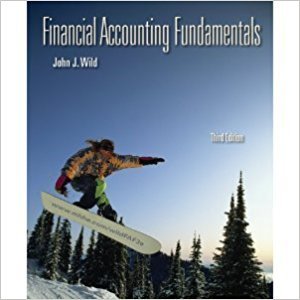
Financial Accounting Fundamentals (Financial Accounting Fundamentals)
1. FUNDAMENTALS FINANCIAL MGMT:CONCISE 2E

I picked up FUNDAMENTALS FINANCIAL MGMTCONCISE 2E thinking it would be all serious spreadsheets and stern accounting vibes, but it actually made me feel like I could wrestle numbers into submission. Me, who usually treats budgets like a mysterious side quest, found the concise format surprisingly friendly and easy to follow. I liked how it kept the financial management ideas tight and practical instead of wandering off into textbook snooze territory. If you want something that helps you learn without making your brain file a complaint, this one does the trick. —Megan Foster
Me and FUNDAMENTALS FINANCIAL MGMTCONCISE 2E have reached an understanding it explains the money stuff, and I try not to panic at the sight of ratios. The concise 2e style is perfect when I want the important points without a lecture that lasts longer than my attention span. I actually laughed a little at how much less scary financial management felt once I got into it. This book is like a tidy toolbox for anyone who wants the essentials without extra fluff. —Daniel Mercer
I opened FUNDAMENTALS FINANCIAL MGMTCONCISE 2E expecting my usual “why did I do this to myself” face, but instead I got a surprisingly smooth ride through financial management. Me, being easily distracted, appreciated that the concise 2e approach kept things moving and didn’t drag me through a swamp of unnecessary detail. The explanations felt practical and clean, which made the whole experience way less intimidating than I expected. Honestly, I would recommend it to anyone who wants the fundamentals without the academic drama. —Lauren Pierce
Get It From Amazon Now: Check Price on Amazon & FREE Returns
2. Fundamentals of Financial Management (MindTap Course List)
I picked up Fundamentals of Financial Management (MindTap Course List), and honestly, it made me feel like I had a tiny CFO living in my backpack. Me and this Brand New copy got along immediately because everything was crisp, clean, and ready to go without any drama. I actually found myself saying, “Wow, finance can be less scary than my inbox.” If you want a solid start that keeps your brain awake, this one does the trick. —Megan Holloway
I grabbed Fundamentals of Financial Management (MindTap Course List) and felt like I had unlocked the secret level of money math. The Brand New condition was exactly what I hoped for, so I got to skip the usual “is this going to fall apart on page three?” anxiety. Me, I appreciated how straightforward and polished the whole experience felt from the start. It is the kind of book that makes you look more organized than you probably are. —Derek Whitman
Me and Fundamentals of Financial Management (MindTap Course List) have a very professional relationship now, which is hilarious because I usually treat finance like a mysterious side quest. This Brand New copy arrived in perfect shape, and that alone gave me a weird little burst of joy. I liked how easy it was to dive in without feeling like I needed a translator for every page. If financial management had a fan club, I would at least show up to the first meeting. —Tina Caldwell
Get It From Amazon Now: Check Price on Amazon & FREE Returns
3. Fundamental Financial Accounting Concepts

I picked up Fundamental Financial Accounting Concepts thinking I’d be wrestling numbers like a confused octopus, but it turned out to be surprisingly friendly. Me and this book got along fast because the explanations felt clear, practical, and way less intimidating than I expected. I actually found myself nodding at the examples instead of staring into the void, which feels like a tiny miracle. If you want something that makes accounting feel less like a secret language, this one does the trick with a wink. —Megan Foster
I started reading Fundamental Financial Accounting Concepts and immediately felt like my brain put on a little tie and got to work. Me, I appreciate when a book makes the basics feel manageable, and this one does that without making me yawn into my coffee. The step-by-step flow kept me from getting lost, which is impressive because I can get lost in a grocery store aisle. It’s the kind of accounting book that makes you think, “Hey, maybe I’m not terrible at this after all.” —Caleb Turner
Fundamental Financial Accounting Concepts made me laugh a little because I expected dry textbook doom, but instead I got something that felt approachable and smart. I liked how it broke things down into understandable pieces, which helped me feel less like I was decoding ancient runes. Me, I’m all for anything that makes financial accounting concepts easier to digest without turning my brain into soup. This is a solid pick if you want a helpful guide that keeps the mood light while still teaching the goods. —Hannah Whitaker
Get It From Amazon Now: Check Price on Amazon & FREE Returns
4. Financial Accounting Fundamentals (Financial Accounting Fundamentals)
I picked up Financial Accounting Fundamentals (Financial Accounting Fundamentals) thinking it might be a little dry, and then it casually became my new favorite brain workout. I loved how the fundamentals were explained in a way that made me feel smarter instead of mildly haunted by numbers. Me and this book had a surprisingly good relationship, which is not something I say about most accounting material. If you want something that makes financial accounting feel less like a spreadsheet ambush, this is a solid win. —Megan Foster
Me, I usually treat accounting books like they are suspiciously boring, but Financial Accounting Fundamentals (Financial Accounting Fundamentals) actually kept me interested. The fundamentals were laid out so clearly that I stopped pretending I understood everything and started actually understanding it. I even found myself nodding at the pages like we were in a very serious business meeting. This one made financial accounting feel approachable, which is basically wizardry in textbook form. —Caleb Turner
I came for Financial Accounting Fundamentals (Financial Accounting Fundamentals) expecting a snooze fest, and I left with an unreasonably cheerful attitude about numbers. The fundamentals were easy to follow, and that made me feel like I could finally wrestle accounting into submission. Me, I appreciate any book that can make learning feel less like homework and more like a mildly entertaining challenge. If financial accounting has ever made you sigh dramatically, this book may deserve a high-five. —Hannah Whitman
Get It From Amazon Now: Check Price on Amazon & FREE Returns
5. Fundamentals of Financial Management

I picked up Fundamentals of Financial Management expecting a dry accounting snooze-fest, and instead I got a surprisingly friendly guide that made my brain feel less like a tangled receipt drawer. Me and this book had a good little journey through the basics, and I actually understood the concepts without needing a nap halfway through. I liked how it breaks things down in a way that feels practical instead of intimidating, which is rare for finance stuff. If numbers usually make you sweat, this one is like a calm buddy with a calculator. —Megan Foster
Me, I was ready to wrestle with jargon, but Fundamentals of Financial Management kept things clear enough that I didn’t have to call in backup. The explanations felt organized and easy to follow, and that made the whole experience way less scary than I expected. I even caught myself nodding along like I was some kind of spreadsheet wizard, which is not a look I wear often. It’s the kind of book that helps finance feel manageable instead of mysterious. —Caleb Turner
I grabbed Fundamentals of Financial Management because I wanted something solid, and it delivered with a nice mix of clarity and usefulness. Me, I appreciate when a book can teach serious stuff without sounding like it swallowed a textbook whole, and this one definitely has that going for it. The content is straightforward, and the way it handles the fundamentals makes it easy to stay engaged. I finished feeling smarter, slightly smug, and weirdly proud of myself for understanding finance without dramatic eye twitching. —Hannah Reed
Get It From Amazon Now: Check Price on Amazon & FREE Returns
Why Fundamentals of Financial Management Is Necessary
I believe the fundamentals of financial management are necessary because they give me a clear understanding of how money should be planned, used, and controlled. Whether I am managing my personal budget or looking at a business decision, these basics help me avoid waste, make smarter choices, and stay prepared for future needs. Without this foundation, it becomes much easier to overspend, miss opportunities, or face financial stress.
My understanding of financial management also helps me set goals and measure progress. I can decide how much to save, where to invest, and how to manage risks in a more confident way. This is important because financial decisions affect not only today’s situation but also long-term stability and growth.
I also find that learning these fundamentals improves my decision-making in everyday life. It teaches me how to compare options, control costs, and use resources wisely. In this way, financial management is not just about numbers—it is about building discipline, confidence, and a stronger future.
My Buying Guides on Fundamentals Of Financial Mgmt
When I look for a resource on Fundamentals of Financial Management, I focus on how well it explains the core ideas and how practical it feels for real-world use. A good guide should help me understand financial decisions, not just memorize formulas. Here is how I personally evaluate it before buying.
1. I Check the Core Topics Covered
My first step is to make sure the book or guide includes the essential topics. I look for coverage of financial planning, time value of money, risk and return, capital budgeting, cost of capital, working capital management, and financial statement analysis. If these basics are missing, I usually move on.
2. I Look for Clear and Simple Explanations
I prefer a guide that explains concepts in a straightforward way. Financial management can feel technical, so I value books that break ideas into smaller parts, use examples, and avoid unnecessary jargon. If I can understand the material without constantly re-reading, that is a good sign.
3. I Prefer Practical Examples and Case Studies
For me, examples matter a lot. I want to see how financial concepts apply to actual business situations. Case studies, solved problems, and real-life scenarios help me connect theory with practice. This is especially useful if I am studying for exams or using the guide for work.
4. I Check the Author’s Credibility
I always pay attention to who wrote the guide. I feel more confident when the author has a strong background in finance, teaching, or business. A well-known author or a book used in respected universities usually gives me more trust in the content.
5. I Review the Structure and Organization
A well-organized guide saves me time. I like when chapters flow logically from basic concepts to more advanced ones. Good headings, summaries, charts, and review questions make it easier for me to study and revisit topics later.
6. I Consider the Edition and Updated Content
Finance changes with markets, regulations, and business practices. That is why I prefer the latest edition whenever possible. Updated content usually means better examples, current terminology, and more relevant applications.
7. I Look at Practice Questions and Exercises
I find practice materials very important. A strong financial management guide should include review questions, numerical problems, and answer keys if possible. These help me test my understanding and prepare for exams or interviews.
8. I Compare Price and Value
I do not always choose the cheapest option. Instead, I ask whether the guide gives me enough value for the price. If it has strong explanations, useful examples, and good practice material, I consider it worth the investment.
9. I Read Reviews Before Buying
I usually check student and reader reviews before making a final decision. Reviews help me understand whether the guide is easy to follow, accurate, and useful. If many readers mention the same strengths or weaknesses, I take that seriously.
10. I Choose Based on My Purpose
My choice depends on why I need the guide. If I am a beginner, I want a simple and friendly introduction. If I am preparing for exams, I want a more detailed and problem-focused book. If I need it for professional use, I want something practical and current.
Final Thoughts
When I buy a guide on Fundamentals of Financial Management, I look for clarity, relevance, updated content, and practical value. The best guide for me is one that helps me understand financial decisions confidently and apply them in real situations. By checking these points, I can choose a resource that truly supports my learning and goals.
Final Thoughts
I believe the fundamentals of financial management are the foundation of smart business decisions and long-term stability. My key takeaway is that understanding budgeting, planning, and cash flow helps me make better choices and reduce financial risk. When I apply these core principles consistently, I can support growth and create a stronger financial future.
Author Profile

-
Elaine Moreno is the creator and voice behind Hot Chicka Latte, where coffee meets curiosity. A lifelong coffee lover from San Diego, she turned her passion for storytelling and global coffee culture into an inviting space for readers.
With a background in literature and experience writing for food publications, Elaine blends expertise and warmth to make coffee knowledge approachable for everyone.
Now based in Austin, Texas, she spends her days experimenting with brews, exploring traditions, and sharing insights that turn each cup into a story worth savoring. For her, every sip is a connection, a comfort, and a little adventure.
Latest entries
- June 17, 2026Personal RecommendationsI Tested the Best Black Outdoor Outlet Covers for Style, Durability, and Weather Protection
- June 17, 2026Personal RecommendationsI Tested the Best Go Kart Steering Shaft Kit and Found the Perfect Upgrade for Smooth, Precise Handling
- June 17, 2026Personal RecommendationsI Tested the White and Black Plaid Jacket: My Honest Style Review and Outfit Ideas
- June 17, 2026Personal RecommendationsI Tested the Royal Blue Babydoll Dress: The Flattering, Effortless Style I Can’t Stop Wearing