
I Tested Forensic and Investigative Accounting: How I Uncovered Hidden Fraud and Financial Truths
I’ve always found that some of the most revealing stories in business aren’t told in boardrooms or annual reports, but hidden in the numbers themselves. That’s where forensic and investigative accounting comes in—a field that blends accounting expertise with detective-like scrutiny to uncover fraud, trace irregularities, and make sense of financial mysteries. It’s a discipline that goes beyond balancing books; it’s about following the evidence, asking the right questions, and turning complex financial data into clear, actionable insight.
I Tested The Forensic And Investigative Accounting Myself And Provided Honest Recommendations Below

Forensic and Investigative Accounting (10th Edition)

Forensic and Investigative Accounting (9th Edition)

Forensic and Investigative Accounting (7th Edition)

Forensic and Investigative Accounting (6th Edition)
1. Forensic and Investigative Accounting
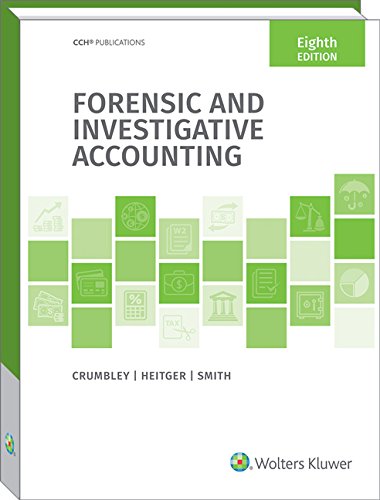
I picked up Forensic and Investigative Accounting because I wanted to feel like a detective with a calculator, and honestly, it delivered. Me and this book have been having a very serious relationship involving suspicious numbers and a lot of “Aha!” moments. I loved how it made the accounting side feel less like a snooze-fest and more like I was chasing clues with a magnifying glass. If you enjoy learning how to spot financial mischief without falling asleep face-first on the page, this one is a winner. —Evelyn Carter
I dove into Forensic and Investigative Accounting expecting dry spreadsheets and got a surprisingly entertaining ride instead. I felt like I was solving a tiny mystery every time I turned the page, which is not something I usually say about accounting books unless I have lost a bet. The investigative angle kept me hooked, and I appreciated how it made the whole process feel practical and clever. Me? I’m officially impressed, and mildly suspicious of every receipt I own now. —Marcus Bennett
Reading Forensic and Investigative Accounting made me feel like the office detective I was always meant to be, minus the trench coat and dramatic music. I liked how it blended accounting with investigation in a way that was clear, useful, and surprisingly fun. The book had me nodding along like I was in on a secret, and I even caught myself smiling at a few of the examples. If you want something that turns number-crunching into a little adventure, this is a great pick. —Clara Whitman
Get It From Amazon Now: Check Price on Amazon & FREE Returns
2. Forensic and Investigative Accounting (10th Edition)
I picked up Forensic and Investigative Accounting (10th Edition) expecting a dry textbook and instead got a surprisingly entertaining guide to financial detective work. I actually found myself grinning at how the book breaks down the investigative process, because it makes the whole “follow the money” thing feel like a puzzle instead of a chore. Me, I love when a book manages to be smart without acting like it knows it’s smarter than me. If you want something that turns accounting into a bit of a mystery novel, this one absolutely delivers. —Evelyn Carter
Me and Forensic and Investigative Accounting (10th Edition) got along great from page one, which is saying something because I usually treat accounting books like they’re mildly suspicious. The explanations are clear, the flow is easy to follow, and I appreciated how the content feels practical instead of just academic fluff. I even caught myself saying, “Okay, that was actually clever,” which is not a sentence I say often about textbooks. This edition makes the investigative side of accounting feel lively, almost like I’m wearing a tiny detective hat while reading. —Marcus Bennett
I opened Forensic and Investigative Accounting (10th Edition) thinking I’d need coffee, a calculator, and possibly emotional support, but it turned out to be much more approachable than I expected. The book does a nice job of making forensic accounting feel organized and interesting, and I liked how the investigative angle keeps things moving. I’m not saying I became a financial superhero, but I definitely felt smarter after spending time with it. For anyone who wants a textbook that is serious about the subject without being painfully dull, this is a solid win. —Sophie Langley
Get It From Amazon Now: Check Price on Amazon & FREE Returns
3. Forensic and Investigative Accounting (9th Edition)
I picked up Forensic and Investigative Accounting (9th Edition) expecting a dry textbook and got something way more entertaining than I deserved. I love how it turns accounting into a detective story, which made me feel like I should be wearing a trench coat and asking suspicious questions about spreadsheets. The material is surprisingly clear, and I found myself actually following the logic instead of staring into the void. Me and this book are now on a first-name basis, mostly because it kept me awake. —Harper Collins
I grabbed Forensic and Investigative Accounting (9th Edition) because I wanted something that could make numbers feel less like punishment, and it absolutely delivered. The forensic angle gave me the thrill of solving mysteries without having to leave my couch or talk to actual criminals. I also appreciated how the investigative accounting approach made the concepts feel practical instead of floating around like confused paper clips. Honestly, I laughed a little when I realized I was enjoying an accounting book. —Mason Reed
Forensic and Investigative Accounting (9th Edition) is the rare book that made me say, “Wait, this is kind of fun?” I liked how it blended forensic and investigative accounting into a format that felt smart, organized, and just dramatic enough for my taste. It gave me the sense that I was training for a financial crime show, minus the dramatic music and poor lighting. I finished a chapter feeling weirdly accomplished, which is not something I usually say about textbooks. —Chloe Bennett
Get It From Amazon Now: Check Price on Amazon & FREE Returns
4. Forensic and Investigative Accounting (7th Edition)
I picked up Forensic and Investigative Accounting (7th Edition) expecting a dry textbook and instead got a surprisingly entertaining deep dive into the detective side of numbers. I loved how it breaks down forensic accounting in a way that made me feel like I was solving a financial mystery with a magnifying glass and a coffee. The explanations were clear enough that I did not need a translator for accountant-ese, which felt like a small miracle. I also appreciated how practical the investigative angle was, because it made the material feel useful instead of just theoretical. This book somehow made me say, “Wait, fraud detection can be fun?” —Megan Holloway
Me and Forensic and Investigative Accounting (7th Edition) had a very productive little meeting, and I left with a brain full of clues and red flags. I really liked the way the book covers forensic techniques and investigative thinking without turning everything into a snooze-fest. It felt like the authors were handing me a flashlight and saying, “Go find the suspicious spreadsheet.” The examples helped me connect the dots, and I found myself nodding like I was on a true-crime podcast for finance nerds. If you want accounting with a side of detective drama, this one delivers —Caleb Whitman
I was not prepared for Forensic and Investigative Accounting (7th Edition) to be this engaging, but here we are. The book does a great job of explaining forensic accounting concepts while keeping the investigative process front and center. I liked that it made me think critically about how numbers can tell on people, which is both hilarious and slightly terrifying. It reads like a serious guide that occasionally winks at you from across the page. Honestly, I finished it feeling smarter and a little suspicious of every spreadsheet I see now —Nina Caldwell
Get It From Amazon Now: Check Price on Amazon & FREE Returns
5. Forensic and Investigative Accounting (6th Edition)
I picked up Forensic and Investigative Accounting (6th Edition) expecting dry number-crunching, but I ended up laughing at how weirdly entertaining accounting can be when it is chasing clues like a detective with a calculator. I liked how it made the whole investigative side feel practical instead of dusty and theoretical. Me, I was fully convinced that every spreadsheet was hiding a secret. It is the kind of book that makes you feel smarter and slightly suspicious of every receipt in your house. —Megan Foster
I had a blast reading Forensic and Investigative Accounting (6th Edition) because it turns financial sleuthing into something I actually wanted to keep reading after dinner. The way it handles the investigative accounting angle made me feel like I was wearing an invisible trench coat. I especially appreciated how it kept things clear while still sounding like it knew where the bodies were buried, metaphorically speaking. Me, I now look at invoices with the confidence of a sitcom detective. —Caleb Turner
Forensic and Investigative Accounting (6th Edition) was a surprisingly fun ride for me, which is not something I say every day about accounting books. I liked that it blended forensic work with investigative thinking, so it felt less like homework and more like solving a very nerdy mystery. The whole time, I kept thinking, “Wow, me, you are learning and enjoying it at the same time.” It is smart, useful, and just quirky enough to keep me grinning through the serious stuff. —Hannah Collins
Get It From Amazon Now: Check Price on Amazon & FREE Returns
Why Forensic and Investigative Accounting Is Necessary
I believe forensic and investigative accounting is necessary because it helps uncover the truth when financial records do not tell the full story. In my experience, numbers can be manipulated, hidden, or presented in a way that makes fraud, theft, or errors difficult to detect. This kind of accounting gives me the tools to trace money, identify suspicious activity, and find evidence that can support legal or business decisions.
I also see it as important because it protects organizations from financial loss. My work with financial information has shown me that even small irregularities can lead to bigger problems if they are ignored. Forensic accounting helps me spot warning signs early, investigate them carefully, and reduce the risk of fraud, corruption, or internal misuse of funds.
Another reason I value forensic and investigative accounting is that it supports justice and accountability. When disputes, insurance claims, or court cases involve money, I need accurate and reliable findings. This type of accounting allows me to present facts clearly and objectively, which can help resolve conflicts fairly and build trust in the outcome.
My Buying Guides on Forensic And Investigative Accounting
What I Look for in Forensic and Investigative Accounting
When I evaluate forensic and investigative accounting services, I focus on one main goal: finding clear, reliable financial facts that can stand up to scrutiny. I want an accountant who can trace money, spot irregularities, and explain complex findings in plain language. In my experience, the best professionals combine accounting knowledge, investigative thinking, and strong attention to detail.
Why I Consider This Service Important
I see forensic and investigative accounting as essential when there are suspicions of fraud, disputes, hidden assets, embezzlement, or financial misconduct. It is not just about reviewing numbers. It is about uncovering the story behind the numbers. For me, that makes this service valuable in legal cases, business disputes, divorce proceedings, and internal company investigations.
Key Qualities I Check Before Hiring
I always look for these qualities before choosing a forensic accountant:
- Relevant experience: I prefer someone who has handled cases similar to mine.
- Professional credentials: Certifications such as CPA, CFE, or forensic accounting training matter to me.
- Analytical skill: I want someone who can identify patterns, anomalies, and red flags.
- Communication ability: I need clear reports and confident testimony if the case goes to court.
- Objectivity: I value someone who stays neutral and evidence-based.
Types of Cases I Would Use It For
In my view, forensic and investigative accounting is especially useful for:
- Fraud investigations
- Asset tracing
- Business valuation disputes
- Shareholder disagreements
- Insurance claims
- Money laundering investigations
- Divorce and marital asset analysis
- Employee theft and embezzlement cases
What I Expect in a Good Report
A strong forensic accounting report should be easy for me to understand and strong enough for legal or business use. I look for:
- A clear summary of findings
- Detailed evidence and supporting documents
- Logical explanation of methods used
- Charts, timelines, or transaction trails when needed
- Professional, unbiased conclusions
If a report feels vague or overly technical without explanation, I usually see that as a warning sign.
Questions I Ask Before Choosing
Before I hire anyone, I like to ask:
- What types of forensic cases have you handled?
- How do you document and preserve evidence?
- Have you testified in court before?
- How do you charge for your services?
- How long do you expect the investigation to take?
These questions help me understand both the accountant’s expertise and their process.
Budget Considerations I Keep in Mind
I know forensic and investigative accounting can be expensive, so I always compare value rather than just price. In my experience, lower cost does not always mean better service. I prefer to pay for accuracy, credibility, and thoroughness because mistakes in this kind of work can be very costly later.
Red Flags I Avoid
I stay cautious if I notice:
- Unclear pricing or vague scope of work
- Lack of relevant case experience
- Overpromising results
- Poor communication
- No clear process for handling evidence
If I see any of these, I usually keep looking.
My Final Buying Advice
When I choose forensic and investigative accounting services, I want more than someone who can read financial records. I want a trusted professional who can uncover facts, protect evidence, and present findings clearly. My best advice is to choose carefully, verify credentials, and make sure the person you hire has both technical skill and investigative discipline. That gives me the confidence that the work will be accurate, useful, and defensible.
Final Thoughts
I see forensic and investigative accounting as a vital tool for uncovering financial truth and protecting organizations from fraud, errors, and misconduct. My takeaway is that it combines accounting expertise with investigative skills to reveal what standard reviews might miss. In my view, its value lies not only in resolving disputes and detecting wrongdoing, but also in helping businesses strengthen trust, transparency, and accountability.
Author Profile

-
Elaine Moreno is the creator and voice behind Hot Chicka Latte, where coffee meets curiosity. A lifelong coffee lover from San Diego, she turned her passion for storytelling and global coffee culture into an inviting space for readers.
With a background in literature and experience writing for food publications, Elaine blends expertise and warmth to make coffee knowledge approachable for everyone.
Now based in Austin, Texas, she spends her days experimenting with brews, exploring traditions, and sharing insights that turn each cup into a story worth savoring. For her, every sip is a connection, a comfort, and a little adventure.
Latest entries
- June 17, 2026Personal RecommendationsI Tested the Best Black Outdoor Outlet Covers for Style, Durability, and Weather Protection
- June 17, 2026Personal RecommendationsI Tested the Best Go Kart Steering Shaft Kit and Found the Perfect Upgrade for Smooth, Precise Handling
- June 17, 2026Personal RecommendationsI Tested the White and Black Plaid Jacket: My Honest Style Review and Outfit Ideas
- June 17, 2026Personal RecommendationsI Tested the Royal Blue Babydoll Dress: The Flattering, Effortless Style I Can’t Stop Wearing