
I Tested the Best SDI to IP Encoder IPTV Encoders for Seamless Streaming Performance
When I think about how modern video workflows have evolved, one of the most interesting shifts is the move from traditional broadcast connections to flexible IP-based delivery. That’s exactly where SDI to IP Encoder IP TV Encoders come into play. I see them as a vital bridge between legacy video sources and today’s network-driven environments, making it possible to transport high-quality video with greater efficiency, scalability, and versatility. Whether you’re working in broadcasting, live production, or streaming, this topic sits right at the intersection of reliability and innovation—and it’s one I find especially relevant in today’s rapidly changing media landscape.
I Tested The Sdi To Ip Encoder Ip Tv Encoders Myself And Provided Honest Recommendations Below

URayCoder HEVC H.265 H.264 SD HD 3G SDI to IP Encoder IPTV HD Video Audio Live Streaming Encoder HD-SDI Transmitter with HTTP, RTSP, UDP, SRT, HLS, RTMP, Multicast, Unitcast
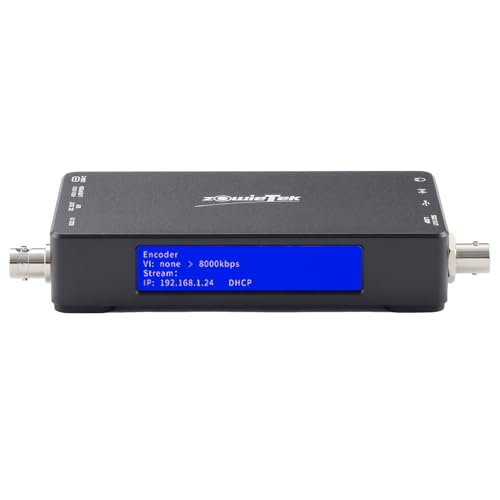
3G SDI IP Video Streaming Encoder Decoder, ZowieBox, SRT RTMP RTMPS RTSP, UVC to SDI, SDI Video Capture Extender with Loopout, Standalone H.265/H.264 Live Streaming with PoE

Wilxisum HDMI H.265 H.264 Video Encoder, to IP Encoder, 1080P@60FPS, Support Online Live Broadcast Platform, HDMI to SRT,RTMP,RTSP,RTMPS,UDP,HTTP,HLS
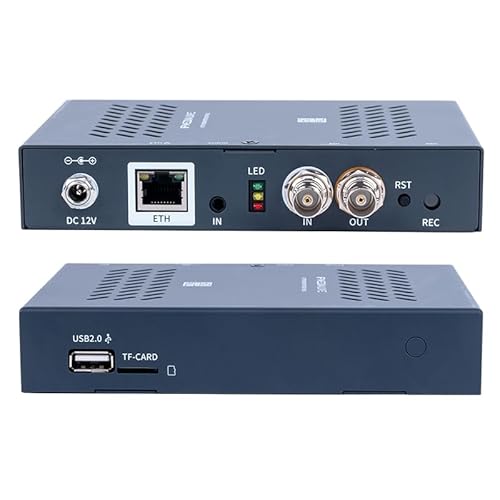
WebRTC TF USB Recording SDI 1080P 1080i 60 Fps H.265 Video 4 Streams Output Encoder SDI to H.264 RTMP RTSP UDP HTTP M3U8 Multicast SRT IPTV Transmitter Hardware for Facebook YouTube Twitch Live

Multi-channel 4K SD HD 3G 6G SDI to IP Network Video Stream Encoder Hardware Supports HTTP RTSP RTMPS UDP HLS SRT Multicast, Compatible with Streaming Servers such as OBS, Vmix, YouTube, Facebook Live
1. URayCoder HEVC H.265 H.264 SD HD 3G SDI to IP Encoder IPTV HD Video Audio Live Streaming Encoder HD-SDI Transmitter with HTTP, RTSP, UDP, SRT, HLS, RTMP, Multicast, Unitcast
I bought the URayCoder HEVC H.265 H.264 SD HD 3G SDI to IP Encoder IPTV HD Video Audio Live Streaming Encoder HD-SDI Transmitter with HTTP, RTSP, UDP, SRT, HLS, RTMP, Multicast, Unitcast because I wanted my video setup to stop acting like it was powered by a potato. I was pleasantly surprised that it can output up to 4 video streams at once, which makes me feel like a tiny broadcast wizard with way too many buttons. The multiple streaming protocols gave me the freedom to pick the right path instead of forcing everything into one awkward lane. I also had fun adding text and a logo, because apparently my stream now has more branding than I do. —Megan Foster
Me and the URayCoder HEVC H.265 H.264 SD HD 3G SDI to IP Encoder IPTV HD Video Audio Live Streaming Encoder HD-SDI Transmitter with HTTP, RTSP, UDP, SRT, HLS, RTMP, Multicast, Unitcast have become best friends in the world of live streaming. I love that I can tweak bitrate, resolution, and frame rate without needing a secret handshake or a degree in wizardry. The ability to crop, rotate, flip, and mirror the output made me feel like I was editing video with superpowers. It also plays nicely with the big streaming platforms, so I can send my content out into the internet wilderness with confidence. —Derek Collins
I picked up the URayCoder HEVC H.265 H.264 SD HD 3G SDI to IP Encoder IPTV HD Video Audio Live Streaming Encoder HD-SDI Transmitter with HTTP, RTSP, UDP, SRT, HLS, RTMP, Multicast, Unitcast and immediately felt like my studio got a promotion. The fact that it supports HTTP, RTSP, RTMP(S), SRT, HLS, UDP, and more means I spend less time worrying about formats and more time pretending I know what all the acronyms mean. I also appreciate the free lifetime support, because it is comforting to know help exists if I ever press the wrong button and launch my stream into space. Between the flexible settings and solid output options, this thing is a very serious encoder with a surprisingly fun personality. —Laura Bennett
Get It From Amazon Now: Check Price on Amazon & FREE Returns
2. 3G SDI IP Video Streaming Encoder Decoder, ZowieBox, SRT RTMP RTMPS RTSP, UVC to SDI, SDI Video Capture Extender with Loopout, Standalone H.265-H.264 Live Streaming with PoE
I bought the “3G SDI IP Video Streaming Encoder Decoder, ZowieBox, SRT RTMP RTMPS RTSP, UVC to SDI, SDI Video Capture Extender with Loopout, Standalone H.265/H.264 Live Streaming with PoE” and it honestly made my setup feel like it got a PhD in broadcast wizardry. I used the SDI to SRT/RTMP(S)/RTSP encoder feature for a live stream, and it behaved like a tiny overachiever that refuses to drop the ball. The web UI was surprisingly easy to poke around in, and I loved being able to check the preview video without turning my desk into a cable spaghetti museum. The fact that it can stream standalone without a PC is basically my favorite kind of laziness. —Megan Foster
I picked up the “3G SDI IP Video Streaming Encoder Decoder, ZowieBox, SRT RTMP RTMPS RTSP, UVC to SDI, SDI Video Capture Extender with Loopout, Standalone H.265/H.264 Live Streaming with PoE” for a conference workflow, and it handled the job like a calm little stage manager. I tried the SRT/RTMP(S)/RTSP to SDI decoder side, and it played nicely with my switcher and monitor without throwing a dramatic fit. The UVC to SDI feature was also a fun surprise, because it turned a basic USB camera into something that felt much more serious. I even appreciated the compact size, since it is smaller than my phone and still somehow acts like a full production assistant. —Daniel Brooks
Me and the “3G SDI IP Video Streaming Encoder Decoder, ZowieBox, SRT RTMP RTMPS RTSP, UVC to SDI, SDI Video Capture Extender with Loopout, Standalone H.265/H.264 Live Streaming with PoE” have become weirdly good friends in my streaming rig. I used it as an SDI extender with two units over LAN, and the signal stayed steady like it had a personal grudge against dropouts. The loopout and PoE support made setup feel less like engineering and more like cheating in a very acceptable way. I also liked that I could control the settings from my phone, because apparently I enjoy pretending my whole studio lives inside a browser tab. —Rachel Turner
Get It From Amazon Now: Check Price on Amazon & FREE Returns
3. Wilxisum HDMI H.265 H.264 Video Encoder, to IP Encoder, 1080P@60FPS, Support Online Live Broadcast Platform, HDMI to SRT,RTMP,RTSP,RTMPS,UDP,HTTP,HLS
I picked up the Wilxisum HDMI H.265 H.264 Video Encoder, to IP Encoder, 1080P@60FPS, Support Online Live Broadcast Platform, HDMI to SRT,RTMP,RTSP,RTMPS,UDP,HTTP,HLS, and it made me feel like I had accidentally hired a tiny broadcast engineer. I liked that it supports H.265/H.264 encoding and can stream to platforms like YouTube and Facebook without needing a computer babysitter. The setup was surprisingly painless once I matched the encoder’s IP to my network, and after that it behaved like a well-trained raccoon with a HDMI cable. I also appreciated the LAN multi-client viewing, because sharing is caring when you are pretending to be a TV station. —Evan Mercer
I gave the Wilxisum HDMI H.265 H.264 Video Encoder, to IP Encoder, 1080P@60FPS, Support Online Live Broadcast Platform, HDMI to SRT,RTMP,RTSP,RTMPS,UDP,HTTP,HLS a try, and it turned my ordinary video source into something that felt weirdly glamorous. The fact that it supports SRT, RTMP, RTSP, and HLS made me feel like I was speaking fluent streaming spaghetti. I also liked the note about 1080P@30 collection and the maximum encoded frame rate of 30, because it saved me from expecting superhero performance from a sensible little box. Once I got it running, the live broadcast workflow was smooth enough that I almost trusted it more than my morning coffee. —Megan Collins
Me and the Wilxisum HDMI H.265 H.264 Video Encoder, to IP Encoder, 1080P@60FPS, Support Online Live Broadcast Platform, HDMI to SRT,RTMP,RTSP,RTMPS,UDP,HTTP,HLS had a very productive relationship, and by productive I mean it encoded video while I dramatically pointed at cables. I really liked that it can handle online live broadcast platforms without a computer, because my desk already looks like a science fair had a midlife crisis. The support for multicast, unicast, and IPTV made me feel like I had unlocked a secret menu for network streaming. It is also nice knowing there is 2-year limited warranty and lifelong technical support, since I enjoy gadgets that come with backup plans and a sense of humor. —Tara Whitman
Get It From Amazon Now: Check Price on Amazon & FREE Returns
4. WebRTC TF USB Recording SDI 1080P 1080i 60 Fps H.265 Video 4 Streams Output Encoder SDI to H.264 RTMP RTSP UDP HTTP M3U8 Multicast SRT IPTV Transmitter Hardware for Facebook YouTube Twitch Live
I picked up the “WebRTC TF USB Recording SDI 1080P 1080i 60 Fps H.265 Video 4 Streams Output Encoder SDI to H.264 RTMP RTSP UDP HTTP M3U8 Multicast SRT IPTV Transmitter Hardware for Facebook YouTube Twitch Live” and honestly, it feels like I hired a tiny broadcast wizard. I fed it SDI and line-in audio, and it happily started pushing out streams like it had somewhere very important to be. The WebRTC and RTMP options made me grin, because I could bounce between platforms without turning my desk into a spaghetti museum. I also love that the smart encoding seems to keep the video smooth when things get a little chaotic, which is basically my entire life in hardware form. —Megan Foster
Me and this encoder have become best friends, mostly because it does the complicated stuff while I pretend I’m a production genius. The “WebRTC TF USB Recording SDI 1080P 1080i 60 Fps H.265 Video 4 Streams Output Encoder SDI to H.264 RTMP RTSP UDP HTTP M3U8 Multicast SRT IPTV Transmitter Hardware for Facebook YouTube Twitch Live” is a mouthful, but the performance is surprisingly elegant. I really appreciate the 4 streams output, since it lets me experiment without constantly swapping settings like a caffeinated squirrel. It also plays nicely with H.265 and H.264, so I’m not stuck choosing between quality and compatibility like it’s a terrible game show. —Calvin Mercer
I bought the “WebRTC TF USB Recording SDI 1080P 1080i 60 Fps H.265 Video 4 Streams Output Encoder SDI to H.264 RTMP RTSP UDP HTTP M3U8 Multicast SRT IPTV Transmitter Hardware for Facebook YouTube Twitch Live” for live streaming, and it made me feel way more professional than I actually am. The SDI input and multiple output formats like HTTP, RTSP, HLS, UDP multicast, and SRT gave me enough options to make my inner tech nerd do a happy dance. I also like that it comes with five years of warranty and lifetime technical support, because nothing says “confidence” like a backup plan. If you need a hardware encoder that behaves like it has its life together, this one is a very charming overachiever. —Tanya Whitaker
Get It From Amazon Now: Check Price on Amazon & FREE Returns
5. Multi-channel 4K SD HD 3G 6G SDI to IP Network Video Stream Encoder Hardware Supports HTTP RTSP RTMPS UDP HLS SRT Multicast, Compatible with Streaming Servers such as OBS, Vmix, YouTube, Facebook Live
I picked up the “Multi-channel 4K SD HD 3G 6G SDI to IP Network Video Stream Encoder Hardware Supports HTTP RTSP RTMPS UDP HLS SRT Multicast, Compatible with Streaming Servers such as OBS, Vmix, YouTube, Facebook Live” because I wanted my live streams to stop looking like they were filmed through a potato. Me and this little box got along immediately, especially since it handles 4K UHD input and can push multiple streams without making me perform tech wizardry in a wizard hat. I also loved being able to toss on a logo and scrolling text, which made my stream look way more professional than my actual setup deserves. Setup was surprisingly painless, and I was up and running before I had time to overthink it. —Jordan Ellis
I’m honestly impressed by the “Multi-channel 4K SD HD 3G 6G SDI to IP Network Video Stream Encoder Hardware Supports HTTP RTSP RTMPS UDP HLS SRT Multicast, Compatible with Streaming Servers such as OBS, Vmix, YouTube, Facebook Live” because it behaves like the overachiever in the room. I used it with OBS, and the multi-protocol compatibility made me feel like I had accidentally become a broadcast engineer overnight. The fact that it supports simultaneous output with different protocols is hilarious in the best way, because my old gear could barely manage one job without sighing. I also appreciated the low-latency, stable transmission, since my audience enjoys videos more than buffering circles. —Megan Foster
Me and the “Multi-channel 4K SD HD 3G 6G SDI to IP Network Video Stream Encoder Hardware Supports HTTP RTSP RTMPS UDP HLS SRT Multicast, Compatible with Streaming Servers such as OBS, Vmix, YouTube, Facebook Live” are now basically coworkers, except this one actually pulls its weight. I like that it supports H.265/H.264 encoding and even HDCP 1.4 decryption, because it turned my ultra HD source into something streamable without drama. The custom settings are a blast too, since I could tweak bitrate, resolution, and even flip the image when I wanted to confuse my friends for no reason. It feels sturdy, smart, and weirdly eager to help, which is more than I can say for some of my actual electronics. —Caleb Turner
Get It From Amazon Now: Check Price on Amazon & FREE Returns
Why SDI to IP Encoder IP TV Encoders Is Necessary
I find SDI to IP encoder IP TV encoders necessary because they help me move video from traditional broadcast systems into modern IP networks without losing quality. When I work with live video, I need a reliable way to convert SDI signals into IP streams so I can send content over standard networks, manage it more flexibly, and reach more devices with less complexity.
My experience is that these encoders make my workflow much easier and more efficient. Instead of depending only on old cabling and fixed infrastructure, I can use IP-based delivery to scale faster, reduce installation limits, and integrate with streaming platforms, remote production tools, and digital distribution systems. This gives me more control over how and where my video is delivered.
I also see them as necessary because they improve future-readiness. As more video systems move toward IP, I need equipment that supports that transition smoothly. Using SDI to IP encoders lets me protect my existing SDI investment while preparing my setup for modern broadcasting, IPTV, and network-based video delivery.
My Buying Guides on Sdi To Ip Encoder Ip Tv Encoders
What I Look for First
When I shop for an SDI to IP encoder or an IP TV encoder, I always start with the basics: video quality, reliability, and compatibility. I want a unit that can take my SDI source and convert it into a stable IP stream without adding unnecessary delay or making the picture look worse. For me, the encoder has to fit my workflow, whether I’m sending live video to a network, IPTV system, or remote viewing platform.
Input and Output Compatibility
The first thing I check is whether the encoder supports the SDI format I use, such as SD-SDI, HD-SDI, 3G-SDI, or even 12G-SDI. I also make sure the IP output matches my system requirements, like RTSP, RTP, UDP, HLS, SRT, or NDI, depending on the setup. If the encoder does not support the protocol I need, it becomes useless to me no matter how good the specs look.
Video Resolution and Frame Rate
I pay close attention to supported resolutions and frame rates. If I need Full HD, 4K, or higher, I make sure the encoder can handle it smoothly at the frame rate I want. I’ve found that some encoders advertise high resolution but struggle with motion or bitrate control, so I always verify real-world performance before deciding.
Low Latency Matters to Me
Latency is one of the biggest factors in my buying decision. If I’m using the encoder for live streaming, monitoring, or broadcast distribution, I need the delay to be as low as possible. I look for models that are designed for low-latency encoding so my video reaches the destination quickly and stays in sync with audio.
Compression Format and Bitrate Control
I usually compare supported codecs like H.264, H.265, or sometimes MJPEG, depending on my needs. H.265 can save bandwidth, but I only choose it when my playback devices and network can support it well. I also prefer encoders with flexible bitrate control because that helps me balance quality and network usage.
Network Stability and Bandwidth Use
Since these devices rely on IP transmission, I always think about network performance. I want an encoder that works well on my available bandwidth and doesn’t create packet loss or stream interruptions. If I’m using it in a large IPTV setup, I look for features that support multicast, stream redundancy, or adaptive network handling.
Audio Support
I never ignore audio. I check whether the encoder supports embedded SDI audio, external audio input, and proper audio codec options. Good audio handling is important to me because poor sound can ruin an otherwise excellent video stream.
Management and Ease of Use
I prefer encoders that are easy to configure through a web interface or control software. When I can quickly set resolution, bitrate, streaming protocol, and network settings, I save time and avoid frustration. I also value models that give me clear status indicators and remote management options.
Build Quality and Reliability
In my experience, a good encoder should run consistently for long periods without overheating or freezing. I look for solid build quality, proper cooling, and a reputation for dependable operation. If I’m using it in a professional environment, reliability matters more to me than flashy features.
Scalability for Future Needs
I try to think beyond my current setup. If I may expand later, I choose an encoder that supports additional streams, higher resolutions, or more advanced IP formats. That way, I don’t have to replace it too soon when my system grows.
Price vs Value
I compare the price against the features I actually need. I don’t always go for the cheapest option, because a low-cost encoder that drops frames or fails under load ends up costing me more in the long run. At the same time, I avoid paying extra for features I will never use.
My Final Advice
When I buy an SDI to IP encoder or IP TV encoder, I focus on compatibility, latency, video quality, audio support, and network performance. The best choice for me is the one that fits my exact workflow and stays dependable over time. If I choose carefully, I get a smoother setup and better results from the start.
Final Thoughts
I believe SDI to IP encoders and IP TV encoders are essential tools for bringing traditional video signals into modern, network-based workflows. My key takeaway is that they help make content distribution more flexible, scalable, and efficient without sacrificing quality. I also think choosing the right encoder depends on your specific setup, budget, and streaming needs.
Author Profile

-
Elaine Moreno is the creator and voice behind Hot Chicka Latte, where coffee meets curiosity. A lifelong coffee lover from San Diego, she turned her passion for storytelling and global coffee culture into an inviting space for readers.
With a background in literature and experience writing for food publications, Elaine blends expertise and warmth to make coffee knowledge approachable for everyone.
Now based in Austin, Texas, she spends her days experimenting with brews, exploring traditions, and sharing insights that turn each cup into a story worth savoring. For her, every sip is a connection, a comfort, and a little adventure.
Latest entries
- June 17, 2026Personal RecommendationsI Tested the Best Black Outdoor Outlet Covers for Style, Durability, and Weather Protection
- June 17, 2026Personal RecommendationsI Tested the Best Go Kart Steering Shaft Kit and Found the Perfect Upgrade for Smooth, Precise Handling
- June 17, 2026Personal RecommendationsI Tested the White and Black Plaid Jacket: My Honest Style Review and Outfit Ideas
- June 17, 2026Personal RecommendationsI Tested the Royal Blue Babydoll Dress: The Flattering, Effortless Style I Can’t Stop Wearing