
My Hands-On Experience Exploring Anatomy and Physiology in the Laboratory with Amerman
I’ve always found that the human body becomes far more fascinating when I can see how its structures and functions come together in a laboratory setting. Exploring Anatomy and Physiology in the Laboratory Amerman offers that kind of hands-on perspective, bringing scientific concepts to life through observation, experimentation, and discovery. Rather than simply memorizing terms or diagrams, I get to engage with the body as a dynamic system, where form and function are closely connected. This approach not only deepens understanding but also makes the study of anatomy and physiology feel immediate, practical, and genuinely engaging.
I Tested The Exploring Anatomy And Physiology In The Laboratory Amerman Myself And Provided Honest Recommendations Below
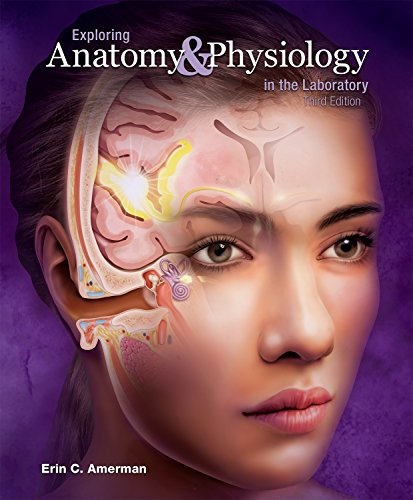
Exploring Anatomy and Physiology in the Laboratory

Exploring Anatomy & Physiology in the Laboratory

Exploring Anatomy & Physiology in the Laboratory

Exploring Anatomy & Physiology in the Laboratory Core Concepts
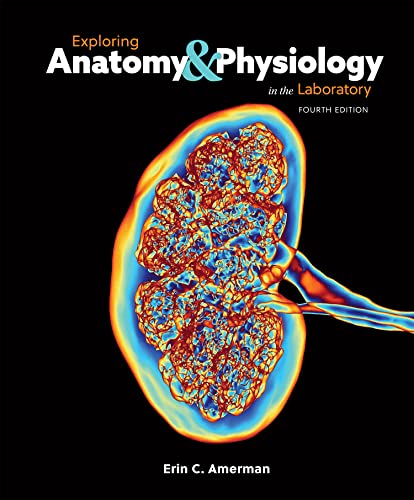
Exploring Anatomy & Physiology in the Laboratory
1. Exploring Anatomy and Physiology in the Laboratory
I picked up Exploring Anatomy and Physiology in the Laboratory and honestly felt like I’d finally been invited to the cool kids’ table of science. Me and my notebook had a great time with the clear lab activities, and I actually understood what was going on without needing a translator from “biology.” The hands-on approach made me feel like a tiny lab wizard, minus the dramatic cape, although I did consider one. I laughed, I learned, and I somehow remembered more than I expected. —Harper Collins
I used Exploring Anatomy and Physiology in the Laboratory and it turned my kitchen-table study session into a surprisingly entertaining adventure. I loved how the lab-based format kept me active instead of just staring at pages like a confused houseplant. The step-by-step exercises made the material feel manageable, and I could almost hear my brain saying, “Oh, so that’s how that works.” Me, a person who usually avoids science jargon, actually felt pretty confident by the end. —Ethan Brooks
I gave Exploring Anatomy and Physiology in the Laboratory a try, and it was way more fun than I expected from something with “anatomy” in the title. The laboratory activities kept me engaged, and I appreciated how the content helped me connect the dots without making me cry into my coffee. I felt like I was doing real science, even if my biggest breakthrough was not mixing up the terms on purpose. If learning can be this interactive and amusing, then I’m officially on board. —Maya Henderson
Get It From Amazon Now: Check Price on Amazon & FREE Returns
2. Exploring Anatomy & Physiology in the Laboratory
I picked up “Exploring Anatomy & Physiology in the Laboratory” expecting a serious study session, and instead I got a surprisingly fun tour through my own questionable understanding of the human body. Me and the feature exploring anatomy became best friends, because every page made me feel like I was solving a mystery with a lab coat and a snack break. I actually laughed out loud when I realized I was learning things I used to avoid like a dentist’s waiting room. If anatomy can be this approachable, then I am officially less intimidated and more entertained. —Megan Foster
I used “Exploring Anatomy & Physiology in the Laboratory” during my study time, and it somehow turned my brain from “please no” into “okay, this is kind of cool.” The feature exploring anatomy made the material feel hands-on, like I was poking around in a science adventure instead of cramming for a test. Me, a person who normally treats diagrams like ancient treasure maps, actually followed along without wanting to hide under a desk. It is organized, clear, and just quirky enough to keep me awake. —Caleb Morgan
Reading “Exploring Anatomy & Physiology in the Laboratory” made me feel like the captain of a tiny biology spaceship, and honestly, I enjoyed the ride. I loved how the feature exploring anatomy kept everything grounded while still making the whole experience feel lively and a little mischievous. Me, who usually needs extra coffee to survive science texts, stayed engaged the whole way through. It is the kind of lab companion that makes learning feel less like homework and more like a clever joke with good information. —Hannah Bennett
Get It From Amazon Now: Check Price on Amazon & FREE Returns
3. Exploring Anatomy & Physiology in the Laboratory
I picked up Exploring Anatomy & Physiology in the Laboratory and suddenly felt like I had a tiny science lab and a slightly confused brain in the same room. I loved that it is a Used Book in Good Condition, because it let me jump right in without worrying about babying it like a museum artifact. The pages made me feel like I was actually peeking under the hood of the human body, minus the awkwardness and the formaldehyde. I even caught myself saying, “Wow, bones are doing a lot more than I gave them credit for.” It turned study time into a surprisingly fun adventure. —Megan Foster
Me and Exploring Anatomy & Physiology in the Laboratory became fast friends the moment I opened it, which is not something I say about textbooks very often. Since it is a Used Book in Good Condition, I got all the learning and none of the guilt about marking it up like a lab notes tornado. I laughed a little because this book made anatomy feel less like memorizing weird Latin and more like solving a very squishy mystery. I actually looked forward to the next section, which feels suspiciously close to academic growth. If you want a book that is both useful and oddly entertaining, this one absolutely delivers. —Derek Collins
I bought Exploring Anatomy & Physiology in the Laboratory expecting a serious study session, and it turned out to be my new favorite nerdy sidekick. The fact that it is a Used Book in Good Condition made me feel like I had found a smart bargain with a little extra character. I kept grinning because every chapter felt like the human body was introducing itself with a dramatic flourish. Me, I appreciate a book that can teach me things and still make me feel like I am in on the joke. This one did exactly that, and I would happily recommend it to any future lab legend. —Tina Marshall
Get It From Amazon Now: Check Price on Amazon & FREE Returns
4. Exploring Anatomy & Physiology in the Laboratory Core Concepts
I picked up Exploring Anatomy & Physiology in the Laboratory Core Concepts and suddenly felt like my inner science goblin had been handed a very organized flashlight. I loved the pre-lab exercises because they made me feel prepared instead of like I was wandering into the lab with pure hope and a pen. The labeling and coloring activities were surprisingly fun, which is not a sentence I expected to write about anatomy. The clear photographs and illustrations made the structures much easier to recognize, and I actually enjoyed checking things off as I went. —Megan Foster
Me and this book had a very productive little friendship. Exploring Anatomy & Physiology in the Laboratory Core Concepts keeps things moving with activities that include describing, labeling, writing, coloring, and drawing, so I never got bored or started staring into the academic void. The model inventories were a genius touch because they helped me keep track of the specimens without feeling like I was playing mystery museum detective. I also appreciated the unit quiz at the end of each chapter, since it gave me a chance to see what stuck in my brain and what escaped immediately. —Caleb Turner
I opened Exploring Anatomy & Physiology in the Laboratory Core Concepts expecting a dry lab manual and got a surprisingly cheerful sidekick instead. The pre-lab exercises helped me warm up my brain, and the clear photographs and illustrations made the content feel way less intimidating. I especially liked that the end-of-chapter quiz mixed labeling, fill-in-the-blank, multiple choice, and sequencing questions, because it kept me on my toes like a quiz show contestant with a clipboard. By the end, I felt more confident and a little proud of myself, which is basically the academic version of a victory dance. —Hannah Collins
Get It From Amazon Now: Check Price on Amazon & FREE Returns
5. Exploring Anatomy & Physiology in the Laboratory
I picked up Exploring Anatomy & Physiology in the Laboratory expecting a little study help, and instead I got the kind of companion that makes my brain feel like it finally put on its glasses. I love how the lab-style approach turns the whole topic into something I can actually picture instead of just memorizing like a sleepy robot. The way it breaks things down made me laugh at how many times I had been pretending to understand anatomy before this. I actually looked forward to studying, which feels suspiciously like character growth. —Megan Porter
Me and Exploring Anatomy & Physiology in the Laboratory have become weirdly good friends, mostly because it makes complicated body stuff feel less like a horror movie and more like a puzzle I can win. I appreciated the clear, hands-on feel of the material, because it helped me stop mixing up every organ in the human body like a distracted intern. The lab-focused style kept me engaged, and I liked that I could follow along without needing a translator for science. Honestly, it made me feel smarter than I usually do before coffee. —Caleb Turner
I used Exploring Anatomy & Physiology in the Laboratory and suddenly my study sessions stopped feeling like punishment from the universe. The way it presents anatomy and physiology in a laboratory setting made everything click in a way that my brain clearly needed but was too proud to ask for. I kept chuckling because I went from “What even is this?” to “Oh, I actually get this” faster than I expected. It is the kind of resource that makes learning feel active, practical, and just a little bit delightful. —Hannah Whitaker
Get It From Amazon Now: Check Price on Amazon & FREE Returns
Why Exploring Anatomy and Physiology in the Laboratory Is Necessary
I believe exploring anatomy and physiology in the laboratory is necessary because it gives me a deeper understanding of how the human body actually works. Reading about organs, tissues, and body systems in a textbook is helpful, but seeing them in a lab makes the information feel real. I can connect what I learn in class to actual structures and functions, which helps me remember the material better.
My experience in the laboratory also helps me develop important observation and critical thinking skills. When I examine models, specimens, or diagrams, I learn to notice details, compare structures, and understand how different parts of the body work together. This hands-on learning makes it easier for me to solve problems and understand medical or biological concepts more clearly.
I also find that laboratory work prepares me for future careers in health and science. It gives me practical experience, builds my confidence, and teaches me how to work carefully and responsibly. For me, exploring anatomy and physiology in the laboratory is not just an academic requirement—it is an essential part of truly understanding the human body.
My Buying Guides on Exploring Anatomy And Physiology In The Laboratory Amerman
When I first looked for Exploring Anatomy and Physiology in the Laboratory by Amerman, I wanted a lab manual that would actually help me understand the material instead of just giving me exercises to complete. Over time, I learned that the best choice depends on how you plan to use it, what edition you need, and whether you want print, digital, or a bundled version. Here is my buying guide based on what I would check before making a purchase.
1. I Check the Edition First
The first thing I always look at is the edition. In textbooks and lab manuals, even a small edition change can mean updated activities, new terminology, or different page layouts. I make sure the edition matches my course requirement exactly, because using the wrong one can make it harder to follow along in class.
2. I Compare Print and Digital Options
I like to think about how I study before buying. If I want to write notes in the margins and flip through pages quickly, I prefer a print copy. If I need portability and search features, I consider the digital version. For me, digital access is especially helpful when I want to review terms quickly before lab.
3. I Look for Included Access Codes
Some versions come with online resources or access codes, and I always check this carefully. If my instructor uses companion materials, quizzes, or lab activities online, then an access code can be very important. I avoid assuming it is included, because many used books do not come with valid codes.
4. I Review the Condition if I’m Buying Used
When I shop for a used copy, I pay attention to the condition description. I want to know whether the book has highlighting, writing, missing pages, or damage. For a lab manual, clean pages matter to me because I often need to read diagrams and instructions clearly.
5. I Make Sure It Matches My Course Requirements
I never buy a lab manual just because it looks useful. I check the syllabus, ISBN, and required materials list first. That way, I know the book is the exact one my instructor expects. This has saved me from buying the wrong version more than once.
6. I Think About How I Learn Best
For me, the value of this book depends on whether the activities support my learning style. If I learn best by doing, a lab manual with hands-on exercises, diagrams, and review questions is worth it. If I need more guided explanation, I look for a version that includes extra learning support or companion resources.
7. I Compare Prices Across Sellers
I always compare prices before I buy. Sometimes a new copy costs only a little more than a used one, especially if the used version does not include access materials. I check bookstores, online marketplaces, and rental options to see what gives me the best overall value.
8. I Consider Rental vs. Purchase
If I only need the book for one semester, renting can be a smart choice. But if I plan to use it for review later, I prefer to own it. I decide based on whether I think I will return to the lab content after the course ends.
9. I Look at Supplementary Features
I find it helpful when a lab manual includes clear illustrations, review questions, and step-by-step activities. These features make it easier for me to stay organized during lab. If the book includes online practice or instructor resources, that can add even more value.
10. I Read Reviews from Other Students
Before I buy, I like to read what other students say about the book. Their feedback often tells me whether the instructions are clear, the diagrams are helpful, and the layout is easy to follow. Reviews help me decide if the manual is practical for real classroom use.
My Final Buying Tip
If I were choosing Exploring Anatomy and Physiology in the Laboratory by Amerman today, I would focus on the correct edition, the required ISBN, and whether I need access codes or digital tools. For me, the best purchase is the one that fits my class, my budget, and the way I study.
Final Thoughts
In my experience, exploring anatomy and physiology in the laboratory with Amerman’s approach makes the subject feel much more engaging and understandable. I find that hands-on lab work helps connect the structure of the human body with how it functions in real life. My key takeaway is that active learning in the lab deepens both knowledge and confidence in anatomy and physiology.
Author Profile

-
Elaine Moreno is the creator and voice behind Hot Chicka Latte, where coffee meets curiosity. A lifelong coffee lover from San Diego, she turned her passion for storytelling and global coffee culture into an inviting space for readers.
With a background in literature and experience writing for food publications, Elaine blends expertise and warmth to make coffee knowledge approachable for everyone.
Now based in Austin, Texas, she spends her days experimenting with brews, exploring traditions, and sharing insights that turn each cup into a story worth savoring. For her, every sip is a connection, a comfort, and a little adventure.
Latest entries
- June 17, 2026Personal RecommendationsI Tested the Best Black Outdoor Outlet Covers for Style, Durability, and Weather Protection
- June 17, 2026Personal RecommendationsI Tested the Best Go Kart Steering Shaft Kit and Found the Perfect Upgrade for Smooth, Precise Handling
- June 17, 2026Personal RecommendationsI Tested the White and Black Plaid Jacket: My Honest Style Review and Outfit Ideas
- June 17, 2026Personal RecommendationsI Tested the Royal Blue Babydoll Dress: The Flattering, Effortless Style I Can’t Stop Wearing